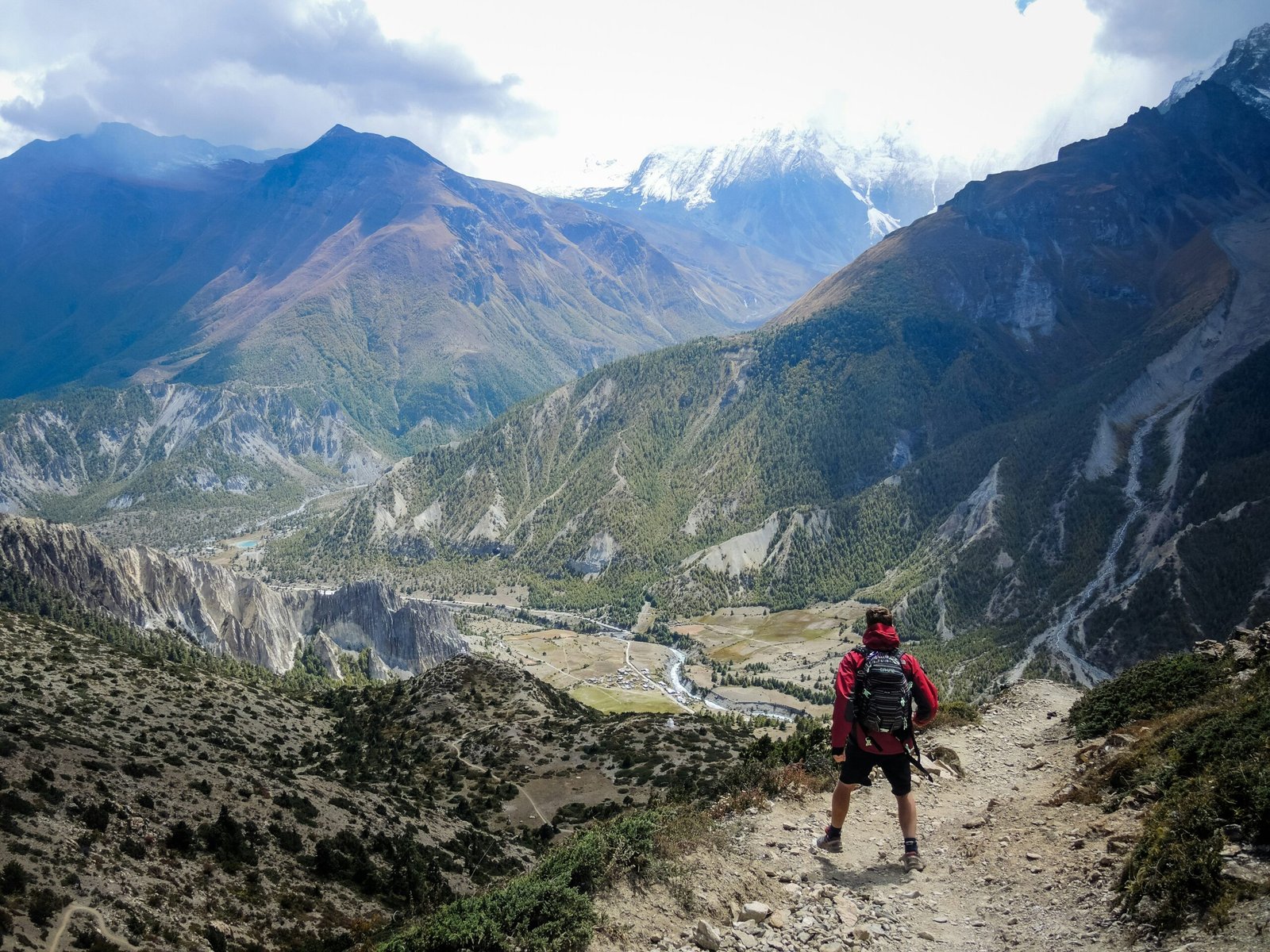
Annapurna Base Camp sits at 4,130 m, in a ring of peaks above the Modi Khola gorge. At that height each breath carries noticeably less oxygen than at sea level. Your body can adapt, but it needs time, and the way a trek is designed makes a real difference.
This article is general information, not medical advice. Talk to your doctor or a travel clinic before trekking at altitude, especially if you have a health condition.
What happens at altitude
Above about 2,500 m, many people feel the effects of thinner air: a faster pulse, breathlessness on climbs and broken sleep. Over several days the body adjusts, producing more red blood cells and changing how you breathe.
If you climb faster than your body can adapt, you can develop acute mountain sickness. Common signs are a headache, nausea, loss of appetite, dizziness and unusual tiredness. These are signals to slow down, not to push on.
How the itinerary helps
The Annapurna Sanctuary trek climbs gradually. After a short flight to Pokhara, the trail starts in villages below 2,000 m and gains height over several days through Ghandruk, Chhomrong, Bamboo and Deurali, before you reach base camp. That gentle profile is deliberate: it gives your body time to adjust at each stage.
Guides also watch the group closely. Daily check-ins help spot early symptoms, and the plan can change: a slower day, an extra night, or turning back.
What you can do
- Walk slowly on the climbs. If you cannot talk in full sentences, slow down.
- Drink regularly and eat even when you do not feel hungry.
- Tell your guide about any headache or nausea straight away. It is never a nuisance.
- Avoid alcohol on the way up.
- Descend if symptoms get worse. Going down is the most effective treatment.
Some trekkers take medication to help with acclimatisation. That is a conversation to have with your doctor before you go, not a decision to make on the trail.
Insurance
Travel insurance is required on every Kineo trip. For this trek, check that your policy covers trekking up to at least 4,500 m and includes medical evacuation, including by helicopter.
See the full itinerary on the Annapurna Sanctuary Trek page.