People often expect a freediving course to start with diving. Most start sitting down. The skills that keep you safe and let you go deeper are learned first on land and in shallow water, long before you follow a line down a reef wall.
Relaxation is the skill
Freediving rewards calm. The more relaxed you are, the less oxygen you use and the longer a breath-hold feels comfortable. Beginner courses spend real time on slow, relaxed breathing before a dive, and on letting go of tension in the shoulders, jaw and hands.
One rule matters from the first day: do not hyperventilate. Fast, deep breathing before a breath-hold can make you feel that you have more time than you do, and that is dangerous. Your instructor will teach a calm breathing pattern instead.
Equalisation
As you descend, water pressure squeezes the air spaces in your ears and mask. You need to equalise often, starting near the surface. Many divers learn the Valsalva technique for scuba; freedivers are usually taught the Frenzel technique, which uses the tongue rather than the chest and works better head-down. It is practised dry before you try it underwater.
Never dive alone
Every dive in a course follows the buddy system. One person dives while their buddy watches from the surface, ready to help. On our courses there is also a safety freediver on every line. This is the most important habit you will learn, and it applies for as long as you freedive.
What a beginner course looks like
Recognised courses such as AIDA 2 or Molchanovs Wave 1 usually combine:
- Theory: physiology, safety and rescue, equalisation.
- Pool or confined water: static breath-hold, finning technique and rescue drills.
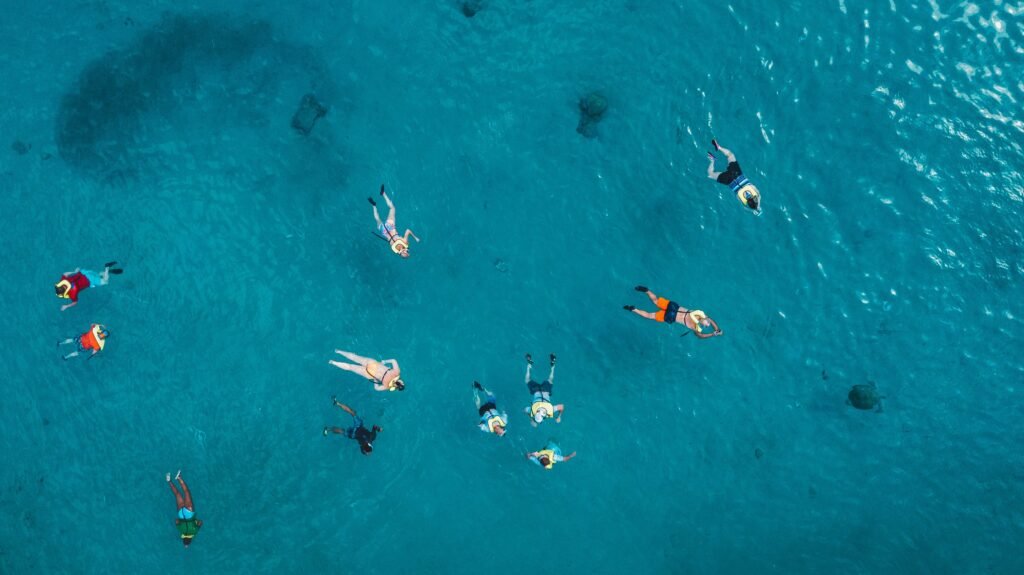
- Open water: dives on a line to a modest depth, with your instructor alongside.
You do not need diving experience. You need to be a comfortable swimmer and to complete a medical declaration. If you have a heart, lung or ear condition, or are unsure, check with your doctor before you book.
Why the Maldives
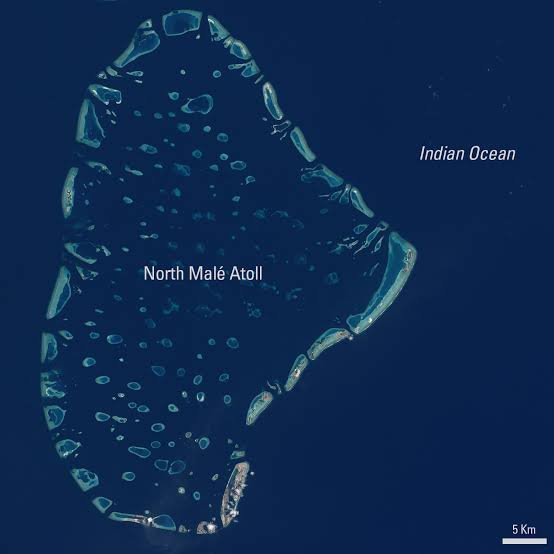
Warm water means you stay relaxed for longer, and clear visibility makes it easy to see the line, your buddy and the reef. Sheltered lagoons give calm training water, while the reef walls offer depth close by for later levels.
Explore freediving on the Blue Academy page.